
Background: Analysis of the Fire Situation in Andalusia and Its History
Andalusia, one of the southern regions of Spain, with a rich history of culture and pristine nature, has recently been exposed to deadly wildfires. These fires have not only affected human lives but have also posed social and economic challenges for European countries. In this section, we will delve deeper into the fire situation in Andalusia and its history to gain a better understanding of the roots of this issue and potential solutions.
The history of wildfires in Andalusia dates back decades. This region faces specific climatic conditions that include hot, dry summers and cool, wet winters. These conditions create an environment conducive to wildfires. Additionally, human activities such as agriculture, livestock farming, and urban development also play a role in increasing the fire risk.
In recent years, wildfires in Andalusia have increased not only in number but also in intensity and extent. This increase may be attributed to factors such as climate change, rising temperatures, and decreased rainfall. Furthermore, urban development and the expansion of human activities into forested and natural areas have heightened the fire risk.
One of the most significant factors contributing to the rise in wildfires is climate change. The increase in global temperatures and changes in rainfall patterns make conditions more favorable for wildfires. Moreover, the drying out of plants and trees during dry seasons increases the availability of combustible materials, leading to more fires.
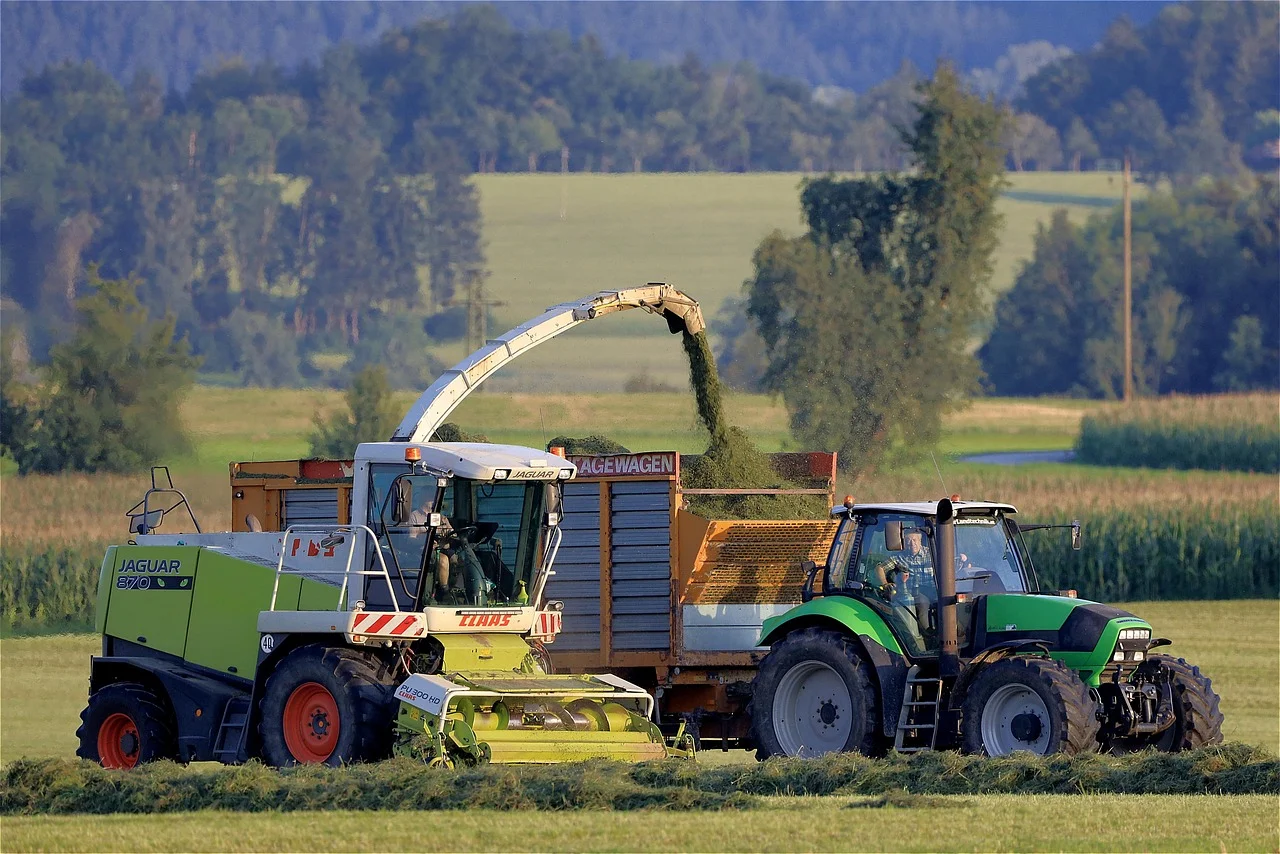
Alongside natural factors, human activities also play a crucial role in wildfires. Agriculture and livestock farming, which are among the most important economic activities in Andalusia, can cause large fires. The use of agricultural and livestock equipment, such as tractors and machinery, as well as the use of fire for clearing agricultural land, can be sources of wildfires.
The Spanish government and international organizations have taken numerous measures to combat wildfires. These measures include establishing prevention and warning systems, public education, and developing new technologies for firefighting. Additionally, the Spanish government has implemented sustainable development programs for forested and natural areas to prevent uncontrolled development and conserve the environment.
Overall, the wildfires in Andalusia pose a significant challenge for this region and European countries. To address this issue, a comprehensive and multifaceted approach is needed that considers human, natural, and economic factors. With a deeper understanding of the roots of this problem and through international cooperation, there is hope that wildfires in Andalusia can be reduced and the environment of this region preserved.
Various Dimensions: Social, Political, and Economic Impacts of Wildfires on Germany and Europe
The extensive wildfires in Andalusia are not only regarded as a natural disaster but also as a humanitarian and social crisis that has had profound impacts on the European continent, particularly Germany. As European countries face environmental challenges and climate change, these events serve as a wake-up call for policymakers and the scientific community.
From a social perspective, these wildfires raise the issue of solidarity and international cooperation. German citizens and those from other European countries, upon seeing images and news related to the wildfires, have expressed significant concerns about environmental security and the need for urgent actions to address such crises. This sense of empathy and urgency has prompted civil society organizations and charities in Germany to quickly mobilize to assist victims and rebuild affected areas.
In the political arena, the wildfires in Andalusia have sparked heated discussions in European parliaments. The German government, as one of the leaders in the fight against climate change, has emphasized the need to accelerate the implementation of green policies and reduce greenhouse gas emissions. These crises indicate that European countries must act more cohesively in addressing environmental challenges. In this context, Germany has proposed increased cooperation in sustainable technologies and knowledge exchange with other European countries.
Economically, the wildfires have had widespread impacts on European markets. Sectors of the economy that are heavily reliant on natural resources, such as agriculture and tourism, have faced serious setbacks. Germany, as one of the leading economic powers in Europe, is concerned about the long-term effects of such events on supply chains and commodity prices. These concerns, in turn, have increased pressure on governments to invest in renewable energy and develop disaster-resilient infrastructure.
Given Germany's key role in the European Union, the country's approach to managing environmental crises could serve as a model for other nations. Germany's efforts to establish legal and financial frameworks to support research and development in areas related to climate change can be seen as an effective strategy for mitigating similar risks in the future.
Ultimately, the wildfires in Andalusia remind us that environmental challenges do not recognize geographical borders and require collective interaction and cooperation at the international level. Germany and other European countries must strive together in solidarity and cooperation to create a sustainable and safe future for generations to come. While these crises are devastating, they also provide an opportunity for rethinking and restructuring existing policies and frameworks to protect the planet we all call home.
Analysis: International Reactions and Policies for Preventing Natural Crises
The recent wildfires in Andalusia are not only considered an environmental and humanitarian disaster but are also seen as a test for the international community in how to respond to and manage natural crises. The international reactions to this crisis highlight the importance of increasing cross-border cooperation and, at the same time, the need to develop stronger policies to prevent such incidents.
One of the first responses to this crisis came from the European Union, which immediately dispatched rescue teams and firefighting equipment to the area. This action is a sign of Europe's solidarity in the face of natural crises and demonstrates how member countries can quickly share their resources in emergencies. However, logistical challenges and coordination among different units from various countries remain significant issues that require more attention and careful planning.
On the other hand, international organizations such as the United Nations and non-governmental organizations also quickly took action to deliver humanitarian aid and assistance to the victims. These responses indicate that the global community is well aware of the importance of interaction and cooperation in times of crisis. Nevertheless, these efforts alone are not sufficient; rather, it is necessary for different countries to develop more proactive and sustainable policies to effectively address such crises.
From a policy perspective, the issue of climate change and its impacts on the occurrence of wildfires is clearly one of the main reasons for such incidents. Rising temperatures and prolonged droughts create favorable conditions for the spread of wildfires. Consequently, national and international policies must seriously address this issue. European countries can play a significant role in reducing these risks by implementing international agreements such as the Paris Agreement and strengthening their commitments to reduce greenhouse gas emissions.
Additionally, the development of innovative technologies and their use for managing natural crises can be proposed as an effective solution. Utilizing early warning systems, drones for monitoring and assessing conditions, and advanced technologies in firefighting can significantly enhance countries' capabilities in dealing with wildfires. Investment in scientific research and innovative technologies not only helps preserve the environment but can also create new job opportunities.
Another important issue is educating and raising awareness among local communities. Local people must be well acquainted with prevention and response methods for wildfires. This can be achieved through educational programs, practical workshops, and direct community involvement in crisis prevention plans. Experience has shown that active participation of people in disaster management programs leads to significant improvements in outcomes.
Ultimately, international cooperation and prevention policies must always be formulated in a way that enables rapid and effective responses to incidents. Natural crises such as the wildfires in Andalusia not only bring environmental and humanitarian challenges but also serve as a test of international solidarity and cooperation. The experiences gained from these crises can be used as lessons for the future and for improving policies and responses to such challenges.
Consequences and Summary: The Future of Andalusia and Its Implications for Tourism and the Environment
The devastating wildfires in Andalusia have not only led to widespread destruction of natural resources and local infrastructure but will also have long-term impacts on the tourism industry and the environment of this region. These bitter events have made it increasingly clear the need for a reassessment of management strategies and environmental policies. Andalusia, considered one of the popular tourist destinations in Spain and Europe, is now facing a serious challenge in attracting and retaining tourists.
One of the most significant consequences of these wildfires is the threat they pose to the region's tourism industry. Many of the beautiful natural areas that were major attractions for tourists have now turned to ashes. Recovering these areas will require time and substantial investments. On the other hand, the fear of a recurrence of such incidents may deter tourists from traveling to this region, which could have serious negative impacts on the local economy.
The wildfires have drawn more attention to climate change and its effects on the environment. Andalusia, due to its geographical location, has always been at risk from climate change. Rising temperatures and decreasing rainfall have created conditions conducive to widespread wildfires. This situation requires urgent actions to mitigate the effects of climate change and enhance capabilities to cope with environmental crises.
In this context, local and national governments must seek solutions for rebuilding damaged infrastructure and restoring normalcy. Reconstruction programs should include forest restoration, support for farmers and local residents, and improvements in warning systems and crisis management. Furthermore, efforts to educate and raise awareness in the community about the importance of environmental protection and the role of each individual in preventing wildfires should be strengthened.
Investment in new technologies and the use of scientific innovations can play a crucial role in reducing the risks associated with wildfires. Utilizing satellite systems for monitoring and predicting hazardous conditions, developing new firefighting methods, and leveraging big data for crisis analysis and management are among the measures that can help increase Andalusia's resilience to such incidents.
Ultimately, Andalusia, as a symbol of Spain's culture and history, requires international support and global solidarity. European countries and other international entities must collaborate by providing financial and technical assistance to this region for its reconstruction and revitalization. Such collaborations will not only help improve the economic and social situation in Andalusia but will also serve as an example of global solidarity in the face of environmental crises.
In summary, the recent wildfires in Andalusia highlight the urgent need for a fundamental change in management approaches and environmental policies. Only through extensive cooperation and decisive actions can it be ensured that this beautiful and valuable region can overcome this crisis and continue to be an attractive tourist destination and a rich and sustainable ecosystem.